The Version You Watched Is Already Obsolete: How Director's Cuts Broke the Idea of a Finished Film
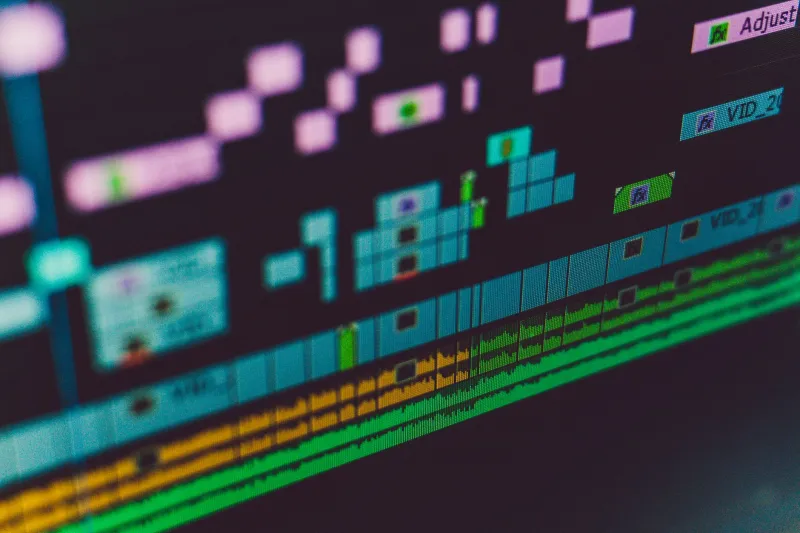
Here's an uncomfortable thought: the movie you remember watching might not exist anymore — at least not as the version anyone's currently selling.
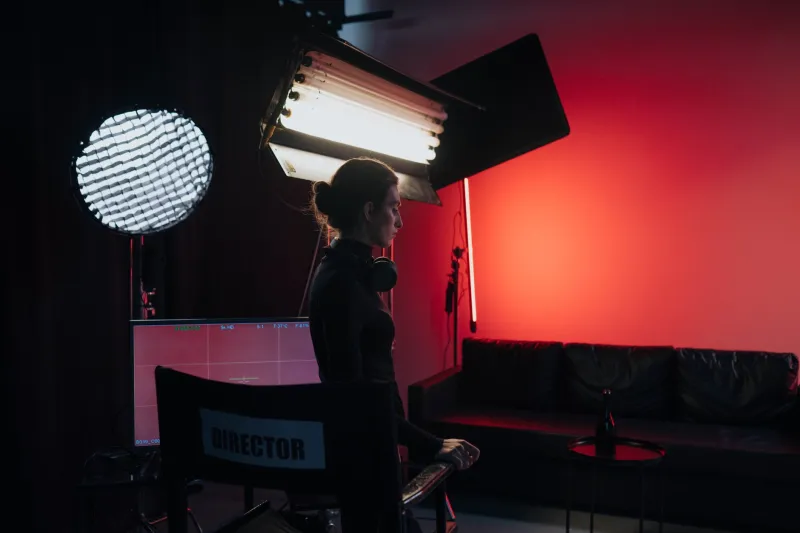
At some point in the last two decades, the film industry quietly dismantled the concept of a finished movie. What used to be a fixed cultural artifact — a specific arrangement of images and sound that everyone who bought a ticket experienced the same way — has become something closer to a living document. Directors revise. Studios restore. Streaming platforms host multiple versions simultaneously, sometimes without making clear which one you're actually watching. And every few years, a filmmaker announces that the theatrical cut you saw was never really their movie to begin with.
This is worth taking seriously. Not just as a consumer complaint, but as a genuine question about what film is and what we owe each other when we talk about it.
The Director's Cut Has Always Been a Complicated Promise
The extended or director's cut isn't new. Ridley Scott has been revising Blade Runner since 1982, eventually producing a "Final Cut" in 2007 that was, presumably, final — though given his track record, you'd be forgiven for holding your breath. Francis Ford Coppola has taken multiple passes at Apocalypse Now. Peter Jackson turned the theatrical Lord of the Rings films into extended editions that added hours of footage and, depending on who you ask, either enriched the experience or disrupted its pacing.
The argument studios and filmmakers have historically made is simple: theatrical releases are compromises. Studio pressure, marketing timelines, test screenings, and runtime mandates mean that what gets released is rarely exactly what the director intended. The extended cut is the correction. The real version. The one you should have seen.
That's a compelling argument, and sometimes it's true. The theatrical cut of Kingdom of Heaven is a competent medieval epic. The director's cut is a genuinely different, significantly better film. The additional footage doesn't just add scenes — it changes the story's logic and the protagonist's arc in ways that make the movie make sense. Watching the theatrical version after seeing the director's cut feels like reading a book with chapters missing.
But that's the exception. More often, the extended cut is an answer to a question nobody asked.
When the Fix Is Also a Sales Pitch
Let's be honest about the economics here, because the conversation about director's cuts tends to get very romantic very quickly, and the business reality is less poetic. Extended editions, restored versions, and "filmmaker's vision" re-releases are reliable revenue streams. They sell to the same audience twice. They generate press cycles for films that have already exhausted their initial coverage. They give streaming platforms exclusive content without the cost of producing anything new.
This doesn't mean every re-release is cynical. But it does mean that the framing of "this is the version I always meant to make" should be received with at least some skepticism. When a studio announces a director's cut four months after theatrical release, timed to coincide with a home video launch, the artistic justification and the commercial incentive are running alongside each other, and it's not always clear which one is driving.
The audience is also being asked to do something genuinely strange: to retroactively update their memory of a cultural experience. If you saw a film in a theater with friends, talked about it, formed opinions about it, and now the filmmaker says that version was incomplete — what happens to the conversation you already had? What happens to the review you read, or the argument you made about whether it was good?
The Streaming Dimension Makes This Significantly Messier
Physical media at least had the virtue of clarity. You bought a DVD, it said "Director's Cut" on the spine or it didn't, and you knew what you were getting. The theatrical version might be on a different disc, also clearly labeled. The versions coexisted without confusion.
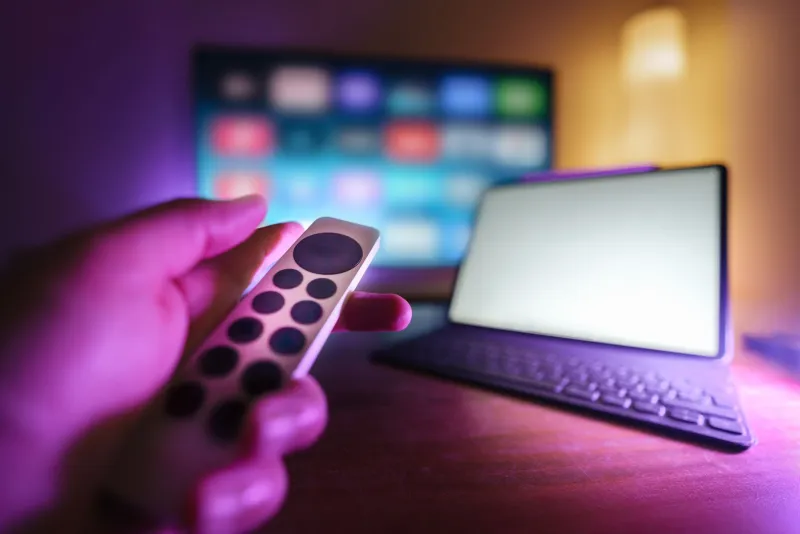
Streaming has largely eliminated that clarity. Platforms often host a single version of a film without specifying which one it is. Updates happen silently — a film can be swapped from one cut to another with no notification to users, no changelog, no acknowledgment that anything changed. You might rewatch something and find it subtly different without being able to identify exactly why. You might recommend a specific scene to a friend and discover they're watching a version where that scene is cut, or extended, or restructured.
Zack Snyder's Justice League situation illustrated this in a particularly public way. The theatrical version and the Snyder Cut are not alternate takes on the same movie — they're functionally different films with different tones, different endings, and different running times (one is about two hours, the other is four). Both exist. Both are available. Which one is Justice League? The answer depends entirely on who you ask and when they saw it.
This is not a hypothetical problem. It's an increasingly common one, and the industry has no standard answer for it.
What We Lose When Nothing Is Final
There's a cultural cost to the proliferation of versions that doesn't get discussed enough. Shared cultural experiences depend on a degree of shared content. When everyone who saw a movie in 1999 saw the same movie, the conversation about it was built on common ground. When that movie gets revised and re-released and revised again, the common ground erodes. The conversation fragments.
Criticism becomes unstable in this environment. A review written about a theatrical cut is, technically, a review of a film that may no longer be the version most people encounter. The canonical text keeps shifting. The definitive version is always provisional.
And there's something lost for individual viewers, too. The version of a film you saw at a specific moment in your life, under specific circumstances, carries emotional weight that a revised version simply can't replicate. If the filmmaker later says that version was flawed, they're not wrong to want to correct it — but they're also, in some small way, revising your memory of an experience that already happened and already meant something.
A More Honest Conversation
None of this means director's cuts are bad or that filmmakers shouldn't be allowed to revisit their work. Art is iterative. Artists change. The impulse to return to something unfinished and try again is genuinely human and genuinely valid.
But the conversation around re-releases needs to be more honest about what they are — all of what they are. Artistic revision and commercial opportunity can coexist in the same product. Acknowledging that doesn't diminish the artistic value; it just insists on clarity.
And for viewers: it's worth knowing which version you're watching, worth asking whether a re-release changes your experience or just your receipt, and worth holding onto the version you first saw as something that mattered — even if the filmmaker has since decided it wasn't quite right.
Because it was right, once. You were there. That happened.